Top 5 Preventative Maintenance Items Every Landlord Should Do to Save Money
Joshua Staats • November 16, 2025
Preventive maintenance is one of the easiest ways for landlords to protect their investment, reduce repair costs, and keep long-term residents happy. The truth is simple: the more you maintain your property, the less you spend reacting to emergencies. At PrimePointe Property Management, we see firsthand which preventative steps save owners the most money—year after year.
Here are the top five maintenance items every landlord should prioritize to avoid expensive surprises.
Here are the top five maintenance items every landlord should prioritize to avoid expensive surprises.

1. HVAC Service and Filter Care
Your heating and cooling system is one of the most expensive items in a home to repair or replace. Routine care is the key to extending its life.
What to do:
Have the HVAC system professionally serviced twice a year (spring and fall).
Ensure filters are replaced every 30–60 days, depending on the system.
Keep the exterior condenser clear of leaves, debris, and vines.
Why it saves money:
A neglected HVAC unit works harder, driving up energy bills and leading to early system failure. A simple tune-up can prevent $2,000–$7,000 replacement costs.
2. Annual Plumbing Checks
Small plumbing issues quickly turn into major headaches if ignored. Hidden leaks can damage flooring, subfloors, cabinets, and even structural components.
What to do:
Inspect under sinks for moisture or soft spots.
Ensure all toilet seals are tight.
Check for slow drains or unusual odors.
Flush the water heater annually to reduce sediment buildup.
Why it saves money:
A $5 wax ring or $20 supply line can prevent thousands in water damage and mold remediation.
3. Roof and Gutter Maintenance
Your roof is the first line of defense against the elements, and gutters play a major role in protecting your foundation and siding.
What to do:
Inspect the roof annually for lifted shingles, flashing issues, and soft spots.
Clear gutters and downspouts twice a year.
Ensure downspouts direct water at least 3–5 feet away from the home.
Why it saves money:
Neglected roofs lead to leaks, drywall damage, electrical hazards, and foundation erosion. Preventative care helps extend roof life and avoid interior repairs.
4. Pest Prevention and Exterior Sealing
Texas pests are aggressive—especially during season changes. Once inside, they multiply quickly and can cause electrical problems, wood damage, and tenant dissatisfaction.
What to do:
Seal gaps around doors, windows, and utility penetrations.
Have quarterly or biannual pest treatments performed.
Trim trees and shrubs away from the structure.
Keep mulch a few inches away from the foundation.
Why it saves money:
Preventing pests is much cheaper than treating infestations. Termites, roaches, and rodents can lead to thousands in repairs and even code violations if left unaddressed.
5. Smoke/CO Detector and Appliance Checks
Safety items are often overlooked—but they’re required by law and protect you from liability.
What to do:
Replace smoke detector and CO detector batteries annually.
Test devices monthly (or ensure tenants do).
Clean dryer vents annually to prevent lint buildup.
Inspect major appliances for wear, leaks, or declining performance.
Why does it save money:
Dryer fires, appliance leaks, and malfunctioning detectors are preventable hazards. A $100 dryer-vent cleaning is far cheaper than a fire claim or insurance deductible.
Final Thoughts: A Little Maintenance Goes a Long Way
Preventative maintenance isn’t just about protecting a property—it protects your rental income, resident satisfaction, and long-term property value. With the right systems in place, landlords avoid emergencies, reduce turnover, and create a safer, more reliable home for their tenants.
If you’d like help creating a tailored maintenance plan—or want a company that handles preventative care before it becomes a problem—PrimePointe Property Management is here to assist.
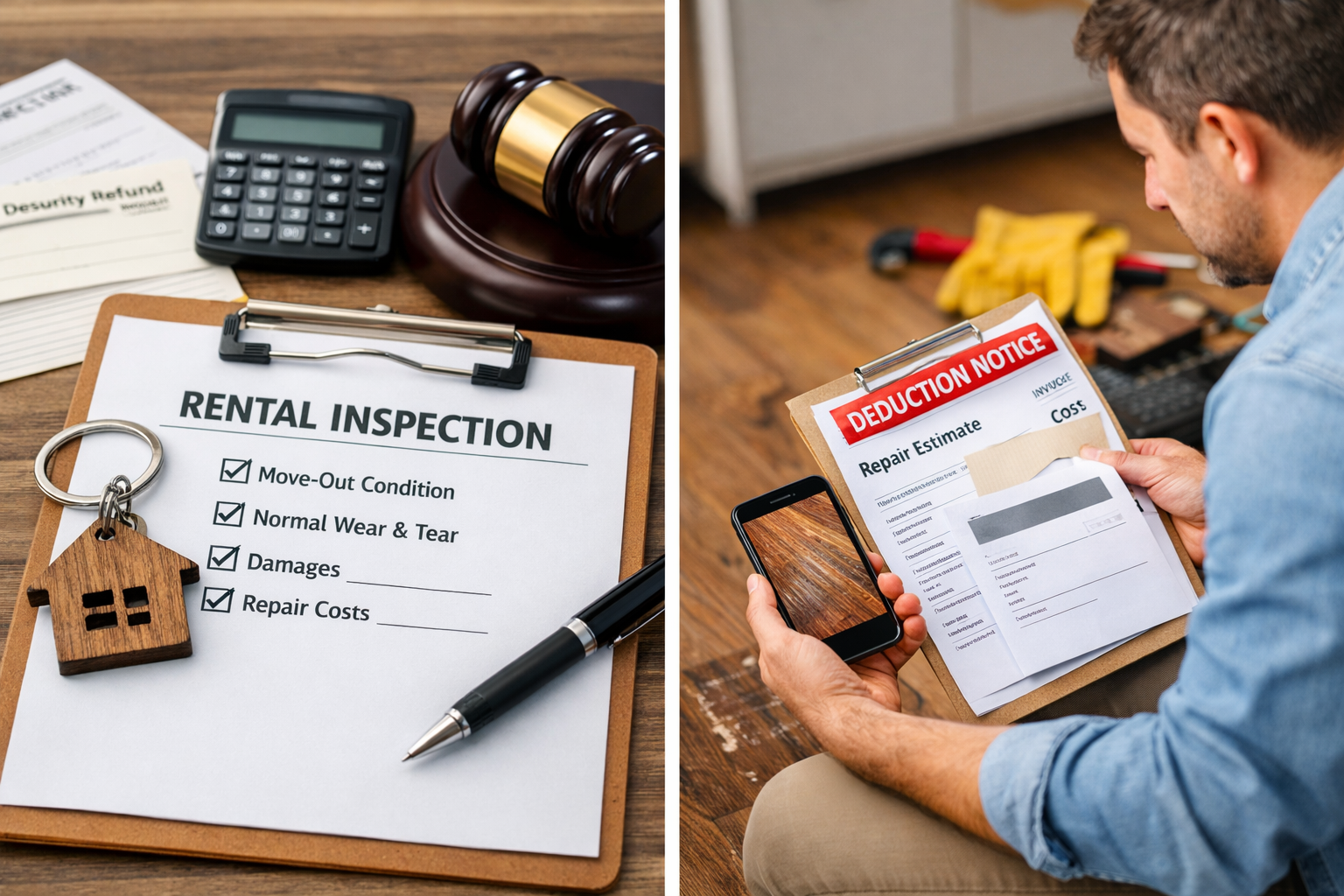
Learn what Texas law considers normal wear and tear, what landlords can legally charge tenants for, and how to avoid security deposit disputes.

Thinking about selling your home? Learn why renting may be the smarter move in today’s market and how professional property management protects your investment.
Rental application fraud is increasing in Houston Texas. Learn how PrimePointe PM’s strict screening protects landlords from costly fraud, evictions, and losses.
Turnover is the profit killer for Houston landlords. Learn how vacancies, make-ready, and poor retention hurt cash flow, and how tenant satisfaction protects income.

A Houston property management outlook for 2026 covering rent trends, rate movement, and market changes landlords need to plan for.

How Houston nuisance enforcement leads to costly fines and how PrimePointe Property Management protects your rental from violations, complaints, and neighbor issues.

Discover how allowing pets can increase ROI for Houston landlords. Explore data on vacancy reduction, tenant retention, and pet policies that protect your property.
Celebrate Thanksgiving with PrimePointe Property Management as we honor our landlords, residents, and commitment to protection-first service all year long.

Learn what Texas landlords can and cannot say under Fair Housing laws. Protect your rental business from costly violations with clear guidance and real examples.
Learn why every Houston rental needs semi-annual property inspections. Avoid costly surprises like damage or pest infestations with proactive property checks.