
Normal Wear and Tear in Texas Rentals | Landlord Guide
Joshua Staats • February 16, 2026
One of the most common questions we hear from landlords is simple: “What can I legally charge a tenant for when they move out?”
Texas law draws a clear line between damage and normal wear and tear, and understanding that difference is critical. Charging incorrectly can quickly turn into a dispute, or worse, a court judgment against the landlord.
At PrimePointe Property Management, we approach move-outs with both legal compliance and real-world experience in mind.
Texas law draws a clear line between damage and normal wear and tear, and understanding that difference is critical. Charging incorrectly can quickly turn into a dispute, or worse, a court judgment against the landlord.
At PrimePointe Property Management, we approach move-outs with both legal compliance and real-world experience in mind.
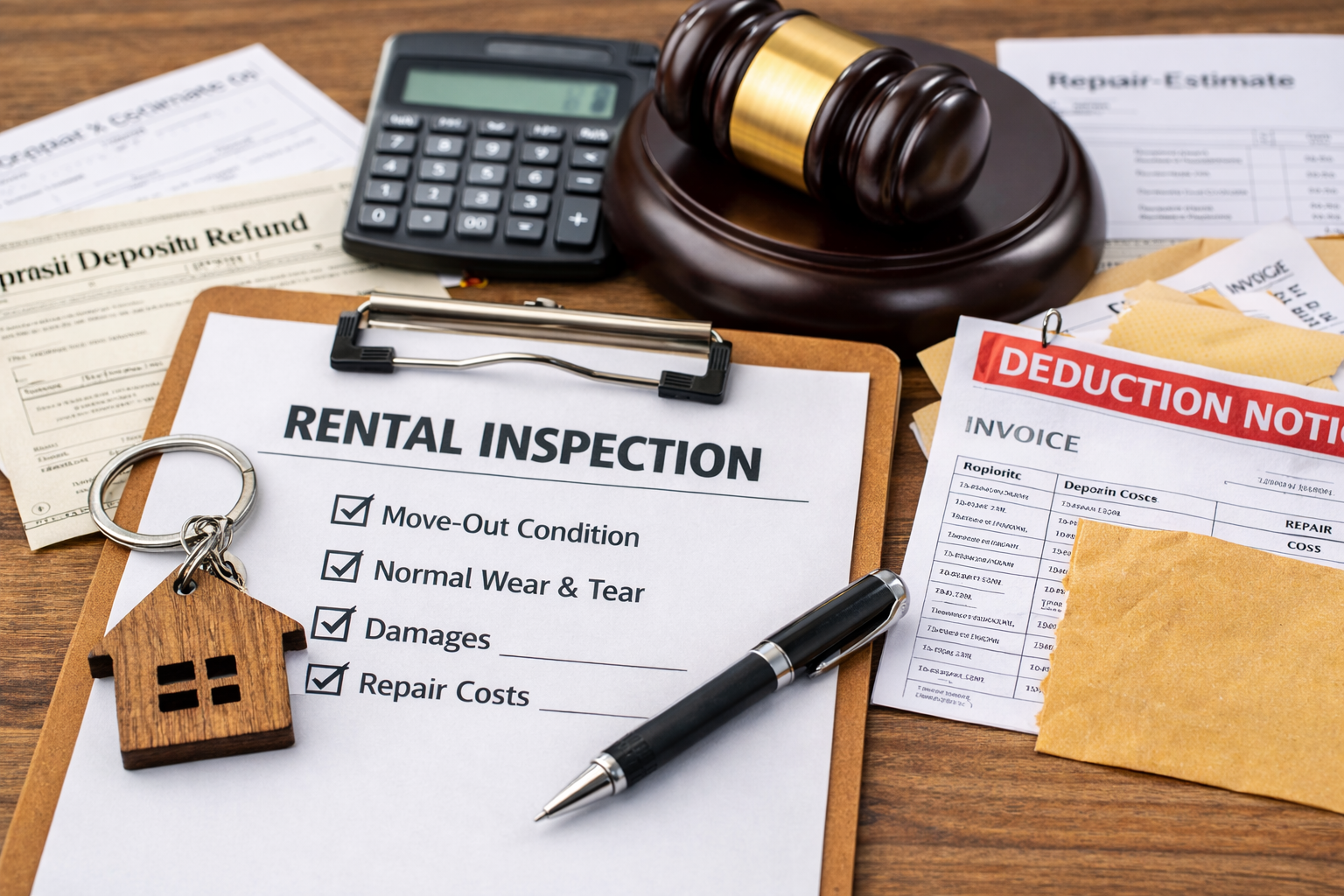
What Texas Considers Normal Wear and Tear
Under the Texas Property Code, normal wear and tear refers to deterioration that occurs through ordinary use of the property, not negligence or abuse.
In plain terms, if something happens because someone lived in the home normally, it usually cannot be charged to the tenant.
Carpet Life Expectancy Matters
A major misconception involves carpet replacement.
In our experience, and often supported in court, carpet older than five years is typically considered to have reached the end of its useful life. Even if a tenant causes damage, judges may rule against charging the tenant the full replacement cost because the flooring was already depreciated.
This is one of the reasons we partnered with a flooring company that provides discounted pricing to our landlords. We strongly encourage transitioning to hard-surface flooring, which:
- Lasts significantly longer
- Reduces turnover costs
- Increases long-term property value
- Minimizes future disputes
Walls, Nail Holes, and Everyday Living
Tenants live in homes..... they don’t preserve them as showrooms.
Small nail holes from hanging photos, scuffs, and light wall marks are generally considered normal wear and tear. Unless holes are large, excessive, or require drywall repair beyond simple patching and painting, they are rarely chargeable damages.
Flooring Scratches and Pet Traffic
Surface scratching on flooring from walking or pets is also expected over time.
Normal wear includes:
- Light surface scratches
- Traffic patterns
- Minor finish wear
Damage typically begins when the flooring shows:
- Deep grooves
- Gouging from digging or dragging heavy objects
- Discoloration caused by neglect or moisture issues
Texas Security Deposit Laws Are Strict
Texas law places very clear obligations on landlords after move-out.
Within the required timeframe, landlords must either:
- Return the full security deposit, or
- Provide an itemized deduction letter including:
- Evidence of damages
- Repair invoices or cost documentation
- Remaining balance refunded or demand for payment if damages exceed the deposit
Failure to properly document deductions can expose landlords to penalties.
The Forwarding Address Rule
Texas provides one important exception: the tenant must provide a forwarding address before a landlord is obligated to send the deposit.
However, best practice, and what we recommend, is to still mail the itemized deduction letter and/or refund to the tenant’s last known address, even if that address is the rental property itself. Mark the envelope “Please Forward” in case mail forwarding has been established.
Why Professional Management Matters
Understanding wear and tear isn’t just about fairness; it’s about compliance. Many landlords unintentionally violate deposit laws simply by misunderstanding what courts consider normal use.
Our role at PrimePointe Property Management is to protect both the property and the owner by:
- Documenting the condition properly
- Applying consistent standards
- Reducing disputes
- Keeping landlords compliant with Texas law
Because protecting your investment doesn’t stop when a tenant moves out, that’s often when it matters most.

Thinking about selling your home? Learn why renting may be the smarter move in today’s market and how professional property management protects your investment.
Rental application fraud is increasing in Houston Texas. Learn how PrimePointe PM’s strict screening protects landlords from costly fraud, evictions, and losses.
Turnover is the profit killer for Houston landlords. Learn how vacancies, make-ready, and poor retention hurt cash flow, and how tenant satisfaction protects income.

A Houston property management outlook for 2026 covering rent trends, rate movement, and market changes landlords need to plan for.

How Houston nuisance enforcement leads to costly fines and how PrimePointe Property Management protects your rental from violations, complaints, and neighbor issues.

Discover how allowing pets can increase ROI for Houston landlords. Explore data on vacancy reduction, tenant retention, and pet policies that protect your property.

Celebrate Thanksgiving with PrimePointe Property Management as we honor our landlords, residents, and commitment to protection-first service all year long.

Learn what Texas landlords can and cannot say under Fair Housing laws. Protect your rental business from costly violations with clear guidance and real examples.
Learn why every Houston rental needs semi-annual property inspections. Avoid costly surprises like damage or pest infestations with proactive property checks.

Most landlords expect the basics, repairs, resident questions, maybe a late payment or two. But what catches most investors off guard isn’t the obvious stuff. It’s the hidden costs that stack up quietly and eat into your ROI if you’re not watching for them. Whether you manage your rental yourself or use a property management company, understanding these hidden expenses is one of the smartest things you can do for your portfolio. Here are the 5 biggest “silent killers” of cash flow most landlords never see coming… until they do. 1. Vacancy Is More Expensive Than Repairs A vacant property doesn’t just mean “no rent.” It means: Utilities on your dime Lawn/pool/yard upkeep Make-ready cleaning Potential vandalism or break-ins Insurance adjustments Even a 20–30 day vacancy can cost more than a new water heater. What helps: Plan for 1–2% annual turnover cost, invest in good residents, and treat renewals like an asset — not an afterthought. 2. Cheap Repairs Always Become Expensive Repairs That $185 handyman patch job feels good today… …until the same issue comes back three months later and costs $850. Cutting corners with: Roofing Plumbing HVAC Electrical Appliances …always costs more over the life of the property. What helps: Use licensed techs for all safety-related systems, and treat your home like what it is — a high-value asset, not a disposable product. 3. Deferred Maintenance Is the Silent Portfolio Killer Landlords rarely lose money from the repairs they do. They lose money from the repairs they avoid. For example: Air filters ignored → $6k AC replacement Small leak behind drywall → mold remediation Missing caulk → window/frame rot Old GFCIs → electrical failures Small things become big things when ignored. What helps: A structured preventative maintenance plan — annual HVAC service, gutters cleaned, plumbing checks, caulking, roof spot inspections, etc. 4. Fair Housing Mistakes Are CO$TLY Even unintentional violations can lead to: Fines Damages Legal fees Required training Forced policy changes And violations often happen during casual conversations like: “I’m looking for a tenant who fits the neighborhood.” or “I prefer a certain type of renter.” No malicious intent… just expensive consequences. What helps: Avoid subjective language. Stick to written criteria. Keep records of everything. 5. Vacancy Pricing Mistakes Most landlords guess rent based on: What the neighbor charges What they “think” it’s worth What Zillow says (not saying it… just side-eyeing it) What covers their mortgage But the market doesn’t care about any of that — and overpricing is the #1 cause of extended vacancy. What helps: Price based on real-time comps, not hope. A home listed $150 too high can sit for 40+ days… costing far more than the difference. Cash Flow Lives or Dies in the Margins You don’t need to be a full-time landlord to own rentals. But you do need to understand the forces working against your returns. Simple, proactive decisions: Keeping up with maintenance Pricing accurately Treating residents respectfully Documenting everything Partnering with qualified vendors …are what separate profitable portfolios from stressful ones. This isn’t about fear. It’s about being informed and being ahead of the curve.