Owning a Rental Property: The Secret to Turning Stress Into Strategy
Joshua Staats • November 13, 2025
Owning a rental property can feel like juggling fire—one late rent payment here, a maintenance call at midnight there—but at PrimePointe Property Management, we believe it doesn’t have to burn. With the right systems, smart protection, and a little insider knowledge, your investment can practically run itself.

1. Start With the Right Screening.
A great resident makes all the difference. Don’t just check credit—check consistency. Look for stability in income, references, and previous rentals. Our screening process digs deeper than the basics to protect your asset and avoid those “should’ve seen that coming” moments.
2. Don’t Skimp on Preventive Maintenance.
Little leaks become big problems. Schedule quarterly filter changes (we automate ours), annual pest inspections, and regular walkthroughs. These tiny check-ins protect your property value and help you spot potential issues long before they become emergencies.
3. Protect Yourself With Real Coverage.
Our landlords enjoy real protection—not marketing fluff. From rental guarantee insurance that keeps income steady to pet-damage coverage that actually works, we make sure a single issue never derails your cash flow.
4. Communicate Like a Pro.
Most tenant problems spiral because of slow communication. Use written maintenance requests, keep records, and respond quickly. At PrimePointe, we’re available 24/7/365 for a reason—because small problems don’t wait for business hours.
5. Treat It Like a Business, Not a Burden.
Your rental is an income-producing asset. The more you systemize, the more you earn—and the less you stress. Our mission is to take the “what ifs” off your plate so you can focus on what’s next in your portfolio.
PrimePointe Property Management: Real protection. Real returns. Real people who care.
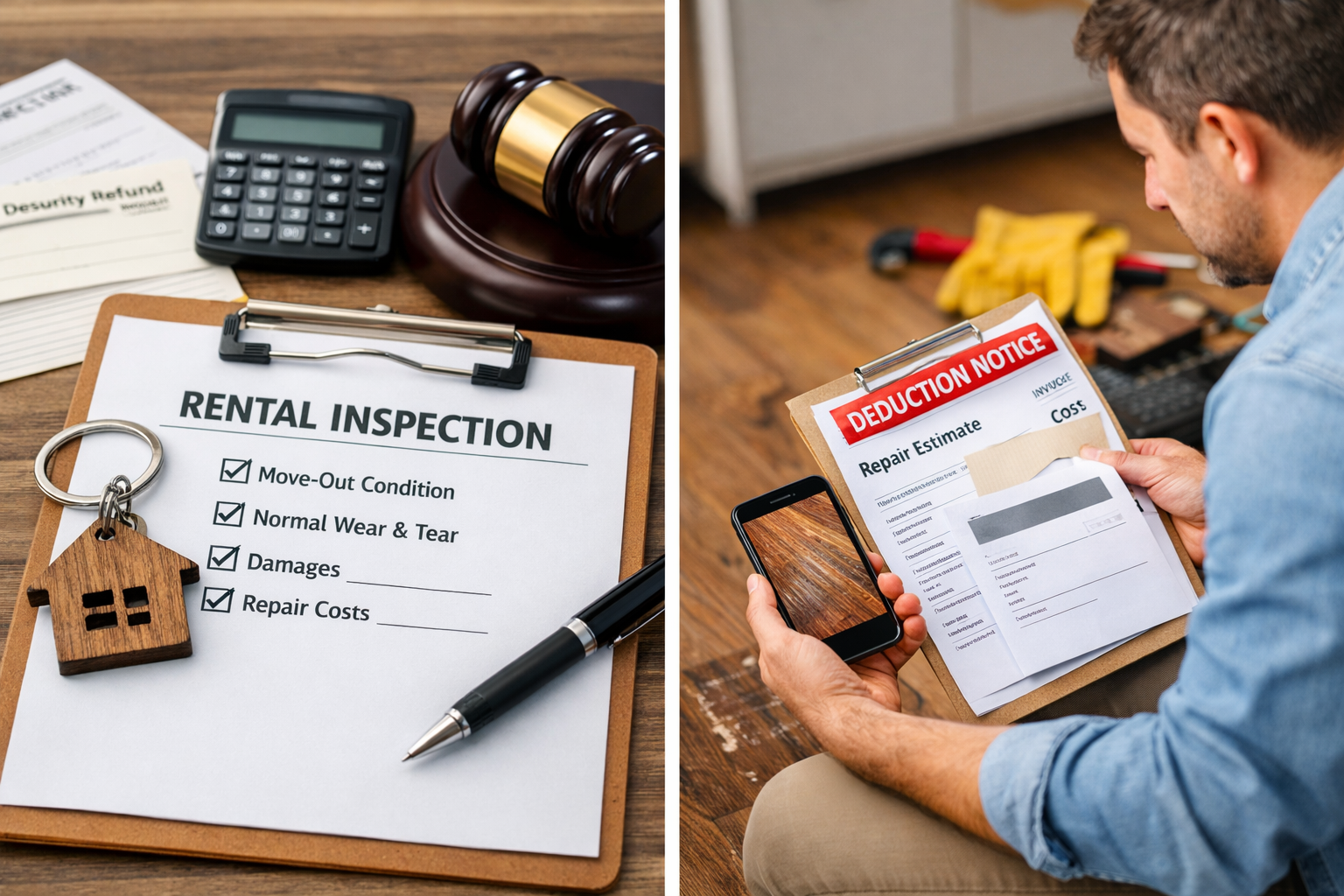
Learn what Texas law considers normal wear and tear, what landlords can legally charge tenants for, and how to avoid security deposit disputes.

Thinking about selling your home? Learn why renting may be the smarter move in today’s market and how professional property management protects your investment.
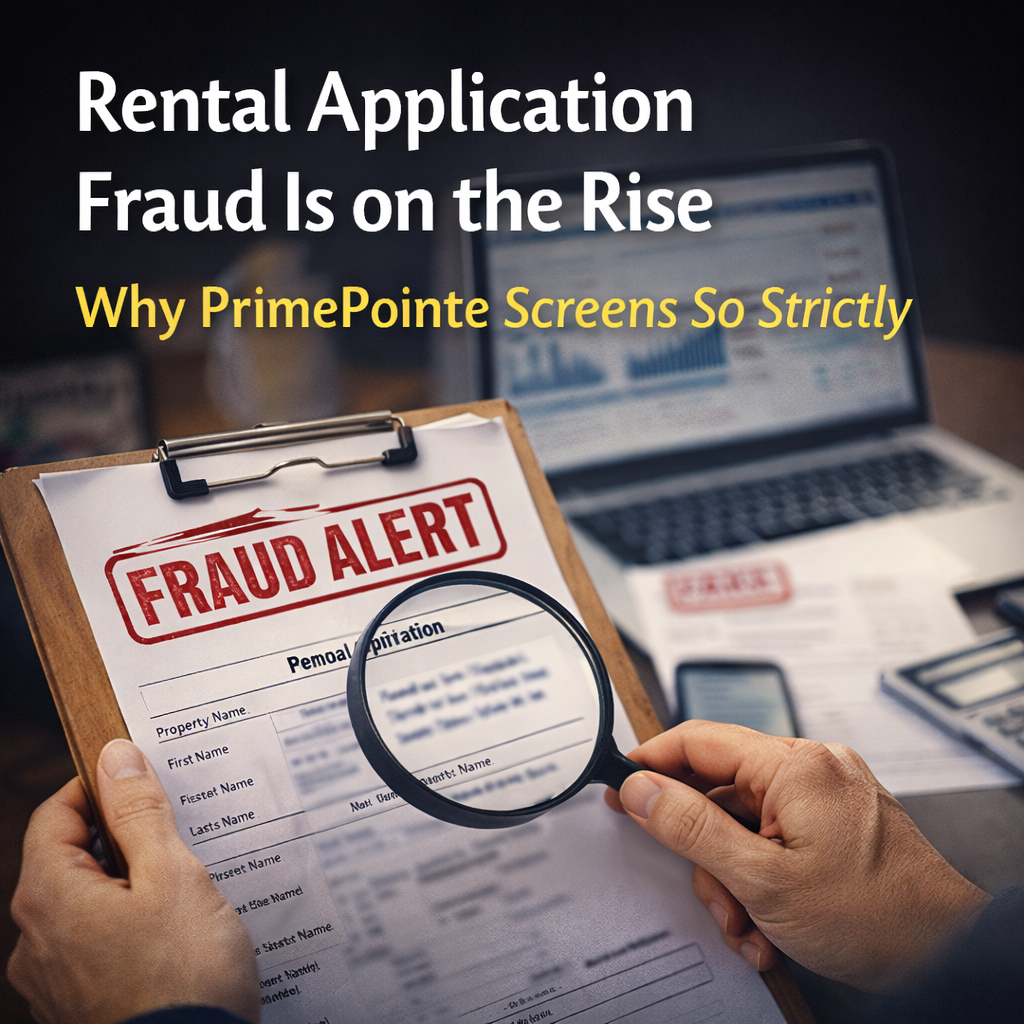
Rental application fraud is increasing in Houston Texas. Learn how PrimePointe PM’s strict screening protects landlords from costly fraud, evictions, and losses.
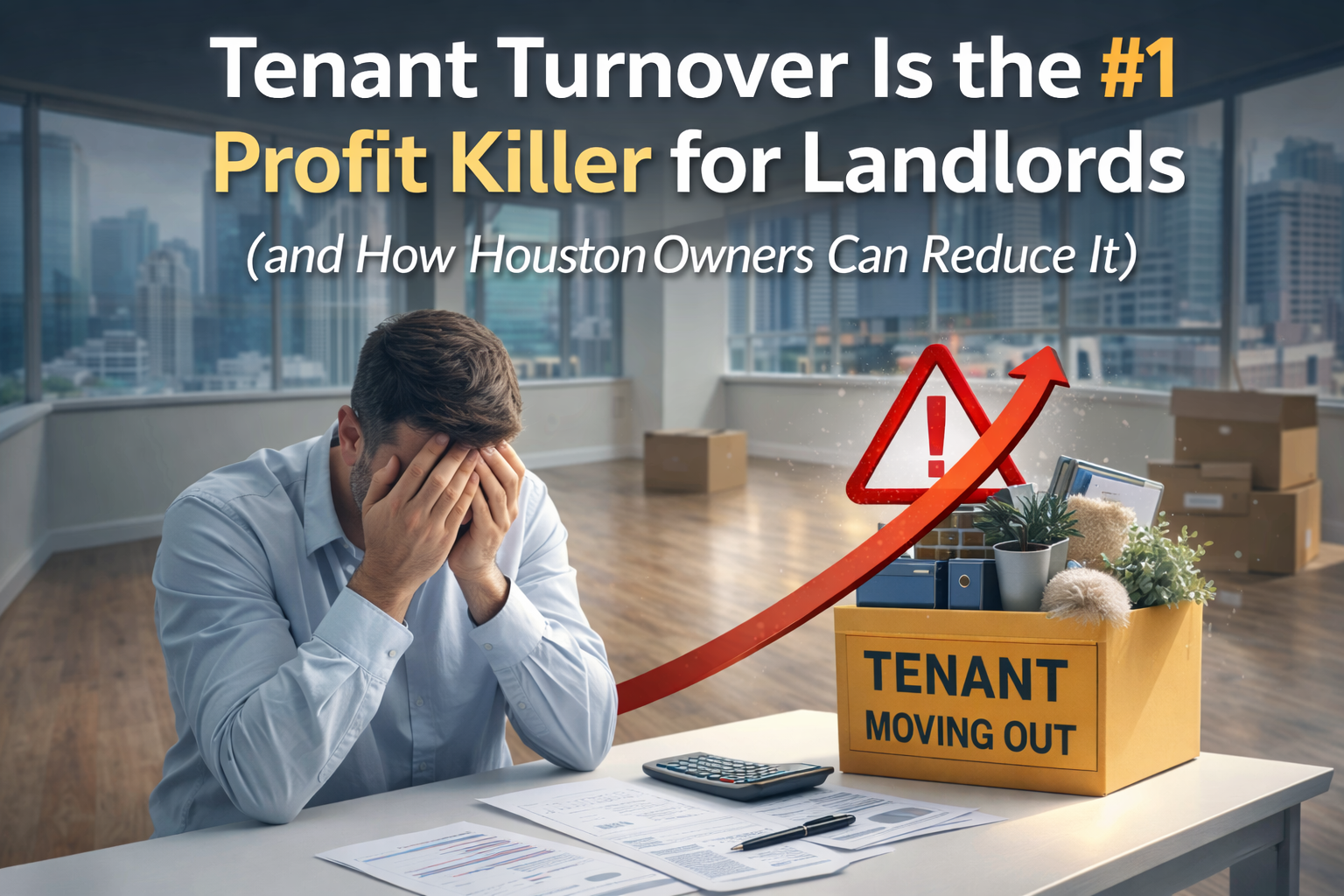
Turnover is the profit killer for Houston landlords. Learn how vacancies, make-ready, and poor retention hurt cash flow, and how tenant satisfaction protects income.

A Houston property management outlook for 2026 covering rent trends, rate movement, and market changes landlords need to plan for.

How Houston nuisance enforcement leads to costly fines and how PrimePointe Property Management protects your rental from violations, complaints, and neighbor issues.

Discover how allowing pets can increase ROI for Houston landlords. Explore data on vacancy reduction, tenant retention, and pet policies that protect your property.
Celebrate Thanksgiving with PrimePointe Property Management as we honor our landlords, residents, and commitment to protection-first service all year long.
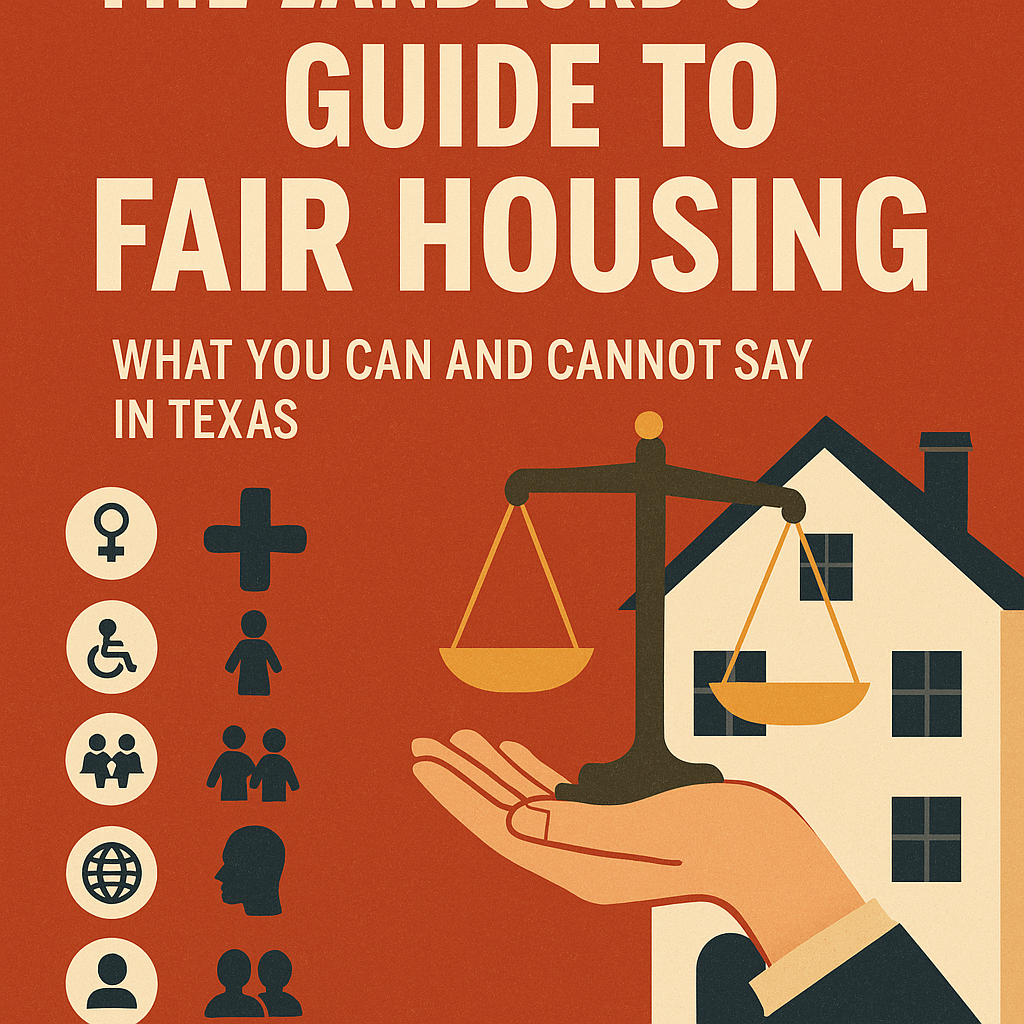
Learn what Texas landlords can and cannot say under Fair Housing laws. Protect your rental business from costly violations with clear guidance and real examples.
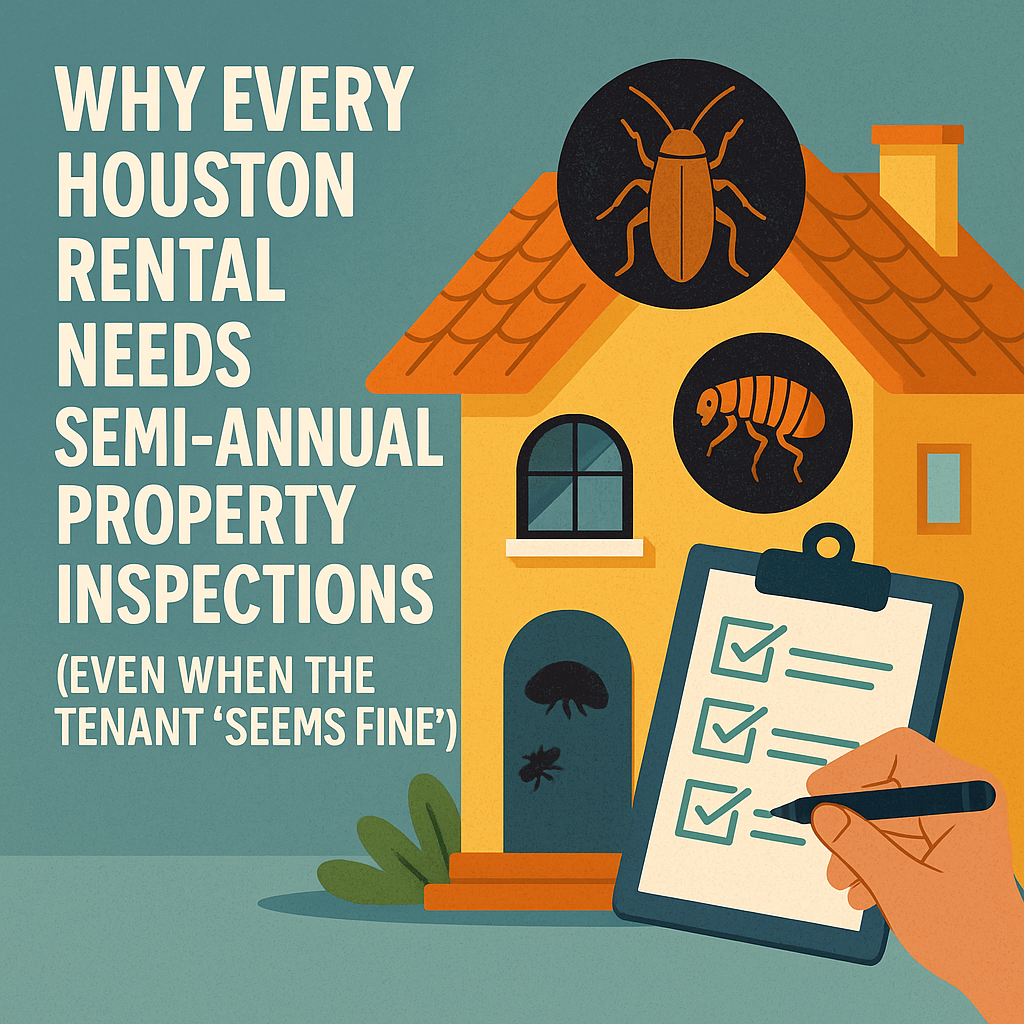
Learn why every Houston rental needs semi-annual property inspections. Avoid costly surprises like damage or pest infestations with proactive property checks.