The Hidden Costs of Being a Landlord (And How to Stay Ahead of Them)
Joshua Staats • November 19, 2025
A practical guide from the Broker/Owner of PrimePointe Property Management

Most landlords expect the basics, repairs, resident questions, maybe a late payment or two. But what catches most investors off guard isn’t the obvious stuff. It’s the hidden costs that stack up quietly and eat into your ROI if you’re not watching for them.
Whether you manage your rental yourself or use a property management company, understanding these hidden expenses is one of the smartest things you can do for your portfolio.
Here are the 5 biggest “silent killers” of cash flow most landlords never see coming… until they do.
1. Vacancy Is More Expensive Than Repairs
A vacant property doesn’t just mean “no rent.”
It means:
Utilities on your dime
Lawn/pool/yard upkeep
Make-ready cleaning
Potential vandalism or break-ins
Insurance adjustments
Even a 20–30 day vacancy can cost more than a new water heater.
What helps:
Plan for 1–2% annual turnover cost, invest in good residents, and treat renewals like an asset — not an afterthought.
2. Cheap Repairs Always Become Expensive Repairs
That $185 handyman patch job feels good today…
…until the same issue comes back three months later and costs $850.
Cutting corners with:
Roofing
Plumbing
HVAC
Electrical
Appliances
…always costs more over the life of the property.
What helps:
Use licensed techs for all safety-related systems, and treat your home like what it is — a high-value asset, not a disposable product.
3. Deferred Maintenance Is the Silent Portfolio Killer
Landlords rarely lose money from the repairs they do.
They lose money from the repairs they avoid.
For example:
Air filters ignored → $6k AC replacement
Small leak behind drywall → mold remediation
Missing caulk → window/frame rot
Old GFCIs → electrical failures
Small things become big things when ignored.
What helps:
A structured preventative maintenance plan — annual HVAC service, gutters cleaned, plumbing checks, caulking, roof spot inspections, etc.
4. Fair Housing Mistakes Are CO$TLY
Even unintentional violations can lead to:
Fines
Damages
Legal fees
Required training
Forced policy changes
And violations often happen during casual conversations like:
“I’m looking for a tenant who fits the neighborhood.”
or
“I prefer a certain type of renter.”
No malicious intent… just expensive consequences.
What helps:
Avoid subjective language. Stick to written criteria. Keep records of everything.
5. Vacancy Pricing Mistakes
Most landlords guess rent based on:
What the neighbor charges
What they “think” it’s worth
What Zillow says (not saying it… just side-eyeing it)
What covers their mortgage
But the market doesn’t care about any of that — and overpricing is the #1 cause of extended vacancy.
What helps:
Price based on real-time comps, not hope.
A home listed $150 too high can sit for 40+ days… costing far more than the difference.
Cash Flow Lives or Dies in the Margins
You don’t need to be a full-time landlord to own rentals.
But you do need to understand the forces working against your returns.
Simple, proactive decisions:
- Keeping up with maintenance
- Pricing accurately
- Treating residents respectfully
- Documenting everything
- Partnering with qualified vendors
…are what separate profitable portfolios from stressful ones.
This isn’t about fear.
It’s about being informed and being ahead of the curve.
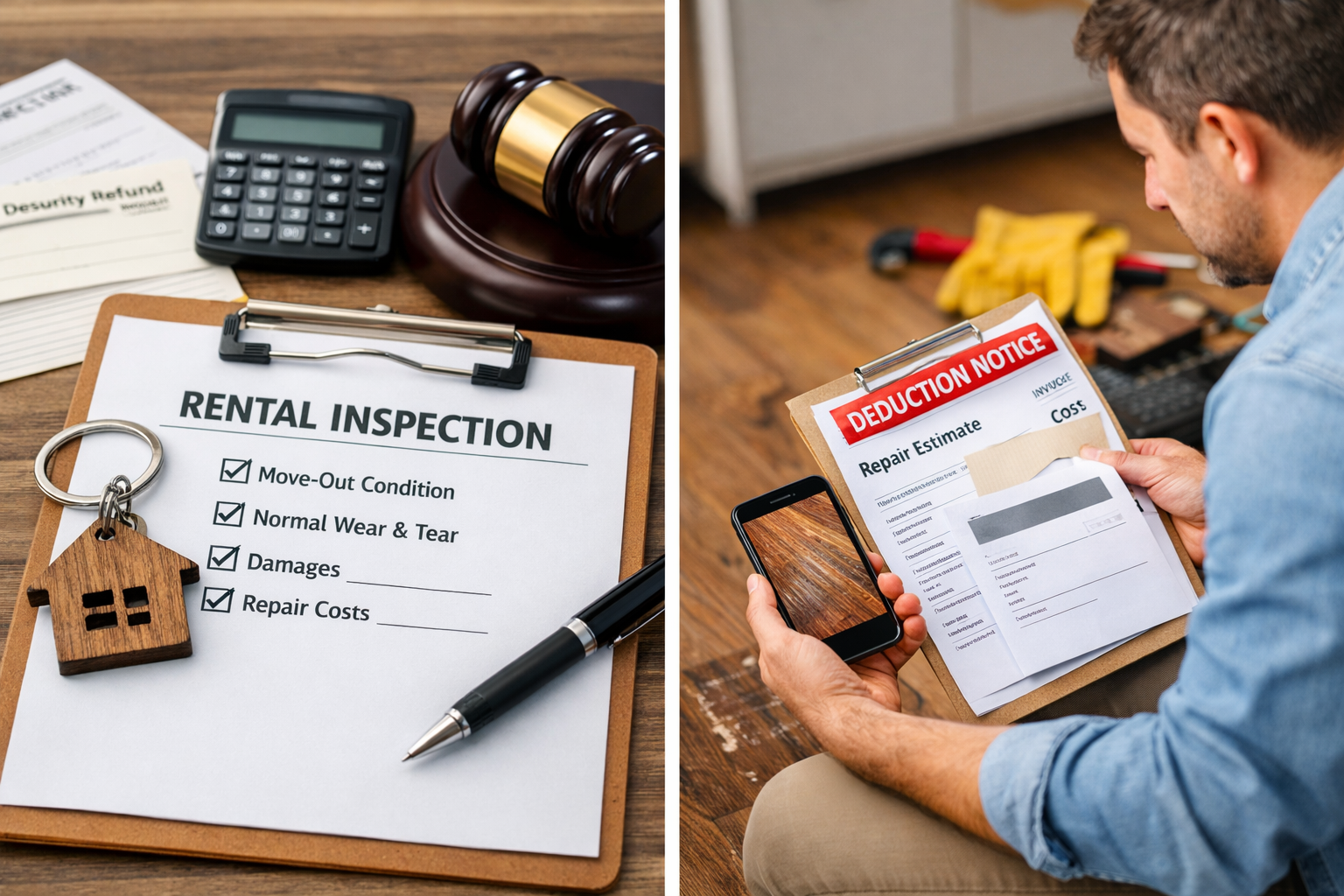
Learn what Texas law considers normal wear and tear, what landlords can legally charge tenants for, and how to avoid security deposit disputes.

Thinking about selling your home? Learn why renting may be the smarter move in today’s market and how professional property management protects your investment.
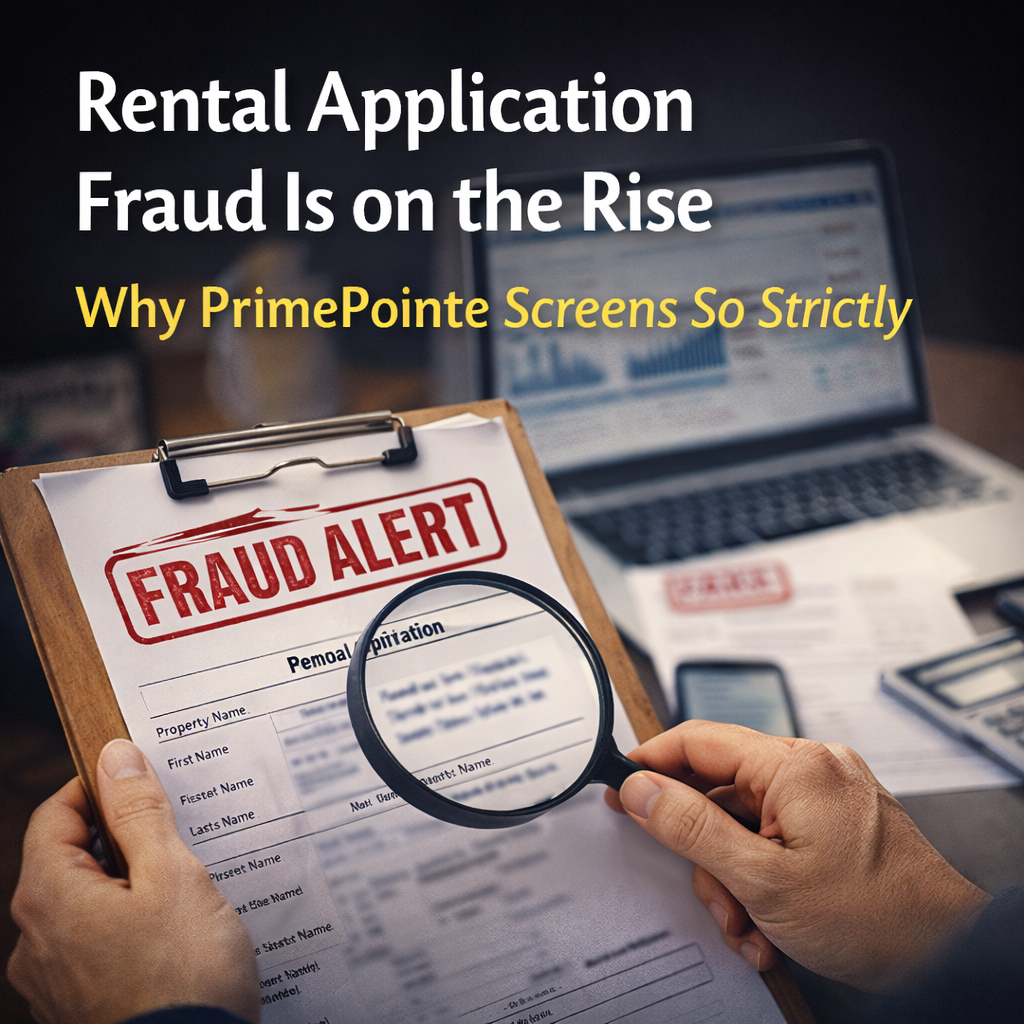
Rental application fraud is increasing in Houston Texas. Learn how PrimePointe PM’s strict screening protects landlords from costly fraud, evictions, and losses.
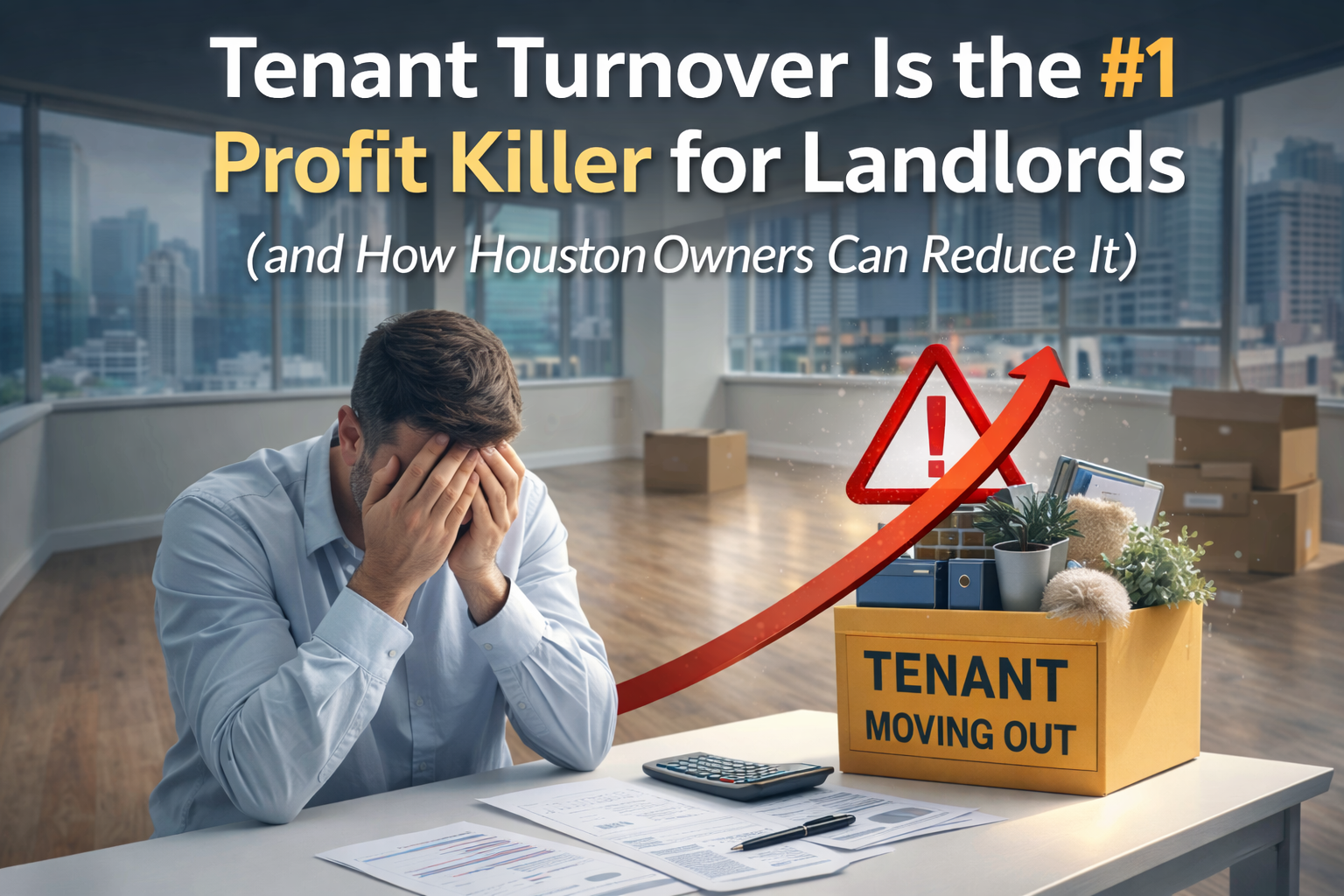
Turnover is the profit killer for Houston landlords. Learn how vacancies, make-ready, and poor retention hurt cash flow, and how tenant satisfaction protects income.

A Houston property management outlook for 2026 covering rent trends, rate movement, and market changes landlords need to plan for.

How Houston nuisance enforcement leads to costly fines and how PrimePointe Property Management protects your rental from violations, complaints, and neighbor issues.

Discover how allowing pets can increase ROI for Houston landlords. Explore data on vacancy reduction, tenant retention, and pet policies that protect your property.
Celebrate Thanksgiving with PrimePointe Property Management as we honor our landlords, residents, and commitment to protection-first service all year long.

Learn what Texas landlords can and cannot say under Fair Housing laws. Protect your rental business from costly violations with clear guidance and real examples.
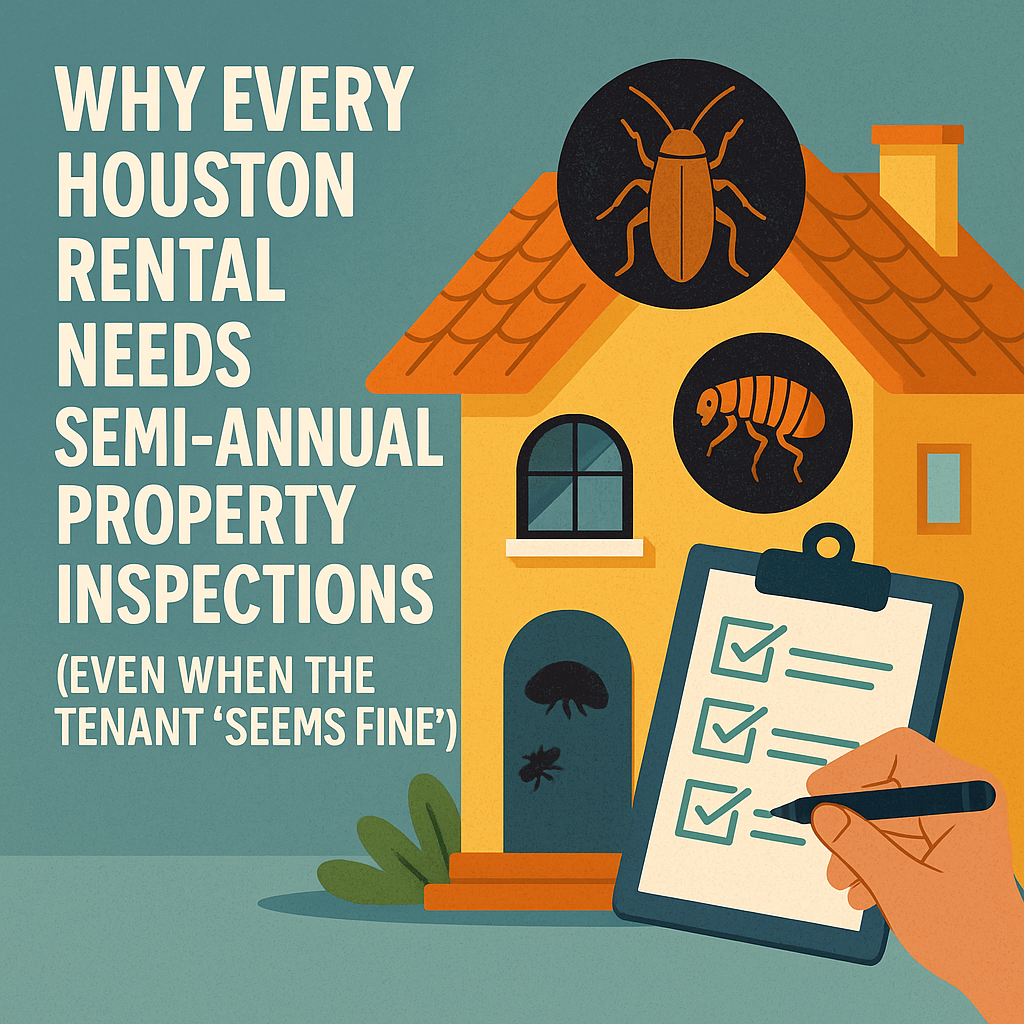
Learn why every Houston rental needs semi-annual property inspections. Avoid costly surprises like damage or pest infestations with proactive property checks.