What Tenants Really Expect, And How Landlords Can Deliver It
Joshua Staats • October 24, 2025
Let’s be honest, tenants today expect more than just four walls and a roof. Whether you’re renting out a single-family home in Cypress or a Midtown townhome, the modern renter is looking for value, comfort, and communication.
As landlords, meeting those expectations isn’t about overpromising, it’s about being intentional.
Here’s what tenants actually want, and how you can meet them halfway without losing your sanity (or your ROI).

1. Quick, Clear Communication
Nothing frustrates a tenant faster than silence. When a maintenance issue pops up or a lease question comes through, tenants want acknowledgment, even if the full fix takes time.
Landlord tip: Set clear expectations for response times. A quick “Got it, I’ll take a look” goes a long way. Better yet, have a process in place for tenants to submit maintenance requests in writing so nothing falls through the cracks.
2. Well-Maintained, Move-In-Ready Homes
Tenants notice everything, sticky doors, burned-out bulbs, that one leaky faucet you keep meaning to fix. A clean, well-maintained property sets the tone for how you expect it to be treated.
Landlord tip: Schedule seasonal checkups or preventative maintenance. A small investment upfront can prevent major repairs later (and keep your tenants happy).
3. Fair and Transparent Policies
Renters respect structure, they just want to know the rules upfront. Whether it’s late fees, pet policies, or lawn care, clarity keeps everyone on the same page.
Landlord tip: Include all policies in writing before move-in, and take five minutes to walk your tenant through the highlights. That small bit of transparency prevents 90% of future miscommunication.
4. Respect for Privacy and Space
Even though you own the property, it’s still their home. Tenants value privacy and professionalism, especially when it comes to inspections or repairs.
Landlord tip: Give proper notice before entering and communicate the reason for the visit. Respect builds trust, and trust builds renewals.
5. A Sense of Partnership
Good tenants want to feel like they’re renting with someone, not from someone. They appreciate landlords who listen, follow through, and take pride in their property.
Landlord tip: Treat your tenants like long-term partners. A quick follow-up after a repair or a thank-you note at renewal time reminds them they’re valued, and valued tenants take better care of your investment.
The Bottom Line
At the end of the day, tenants don’t expect perfection, they expect effort. A well-kept property, timely responses, and clear communication go a long way in turning a rental into a home.
And when you make the experience easy, respectful, and consistent, you’ll notice something remarkable: happier tenants, fewer turnovers, and stronger returns.
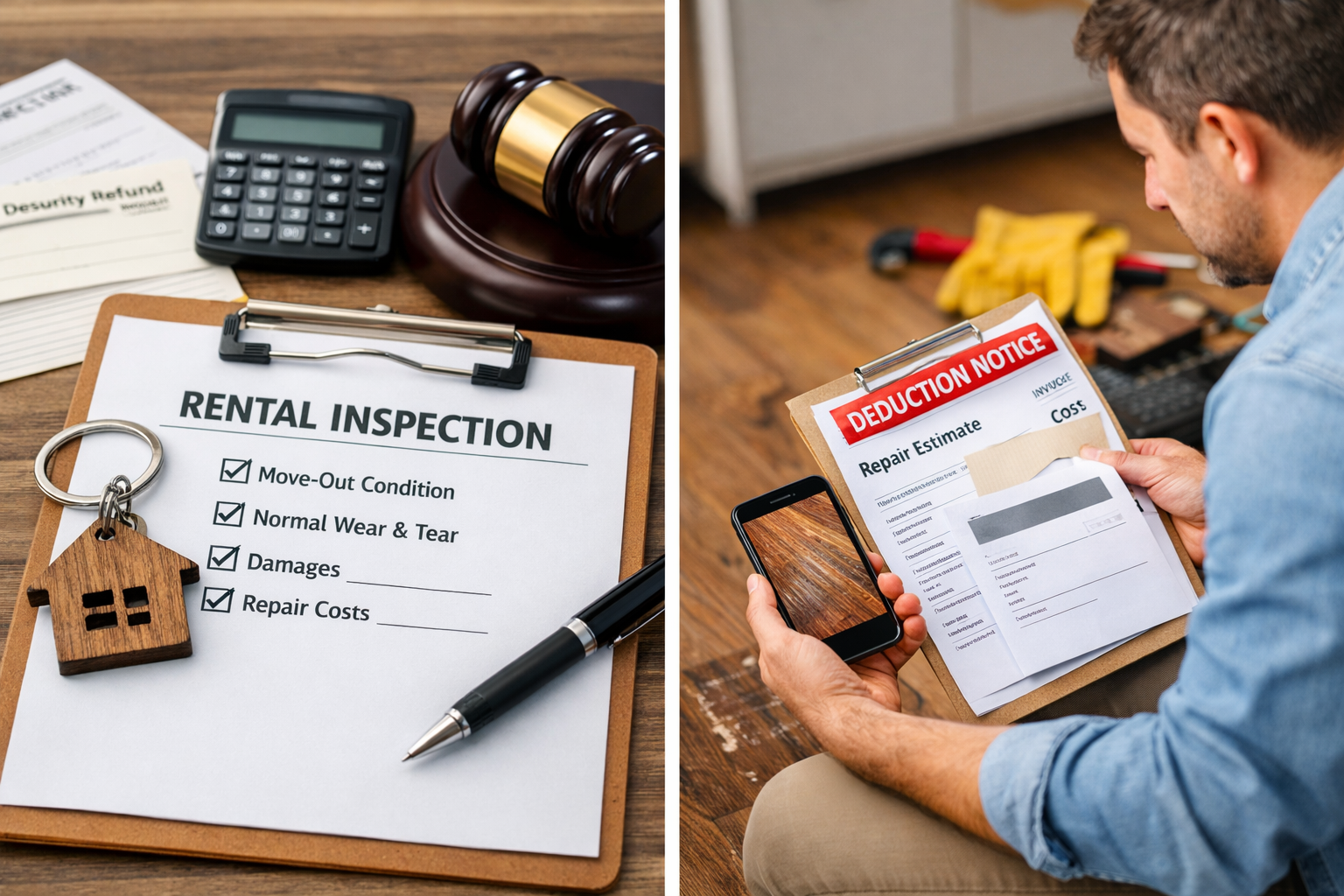
Learn what Texas law considers normal wear and tear, what landlords can legally charge tenants for, and how to avoid security deposit disputes.

Thinking about selling your home? Learn why renting may be the smarter move in today’s market and how professional property management protects your investment.
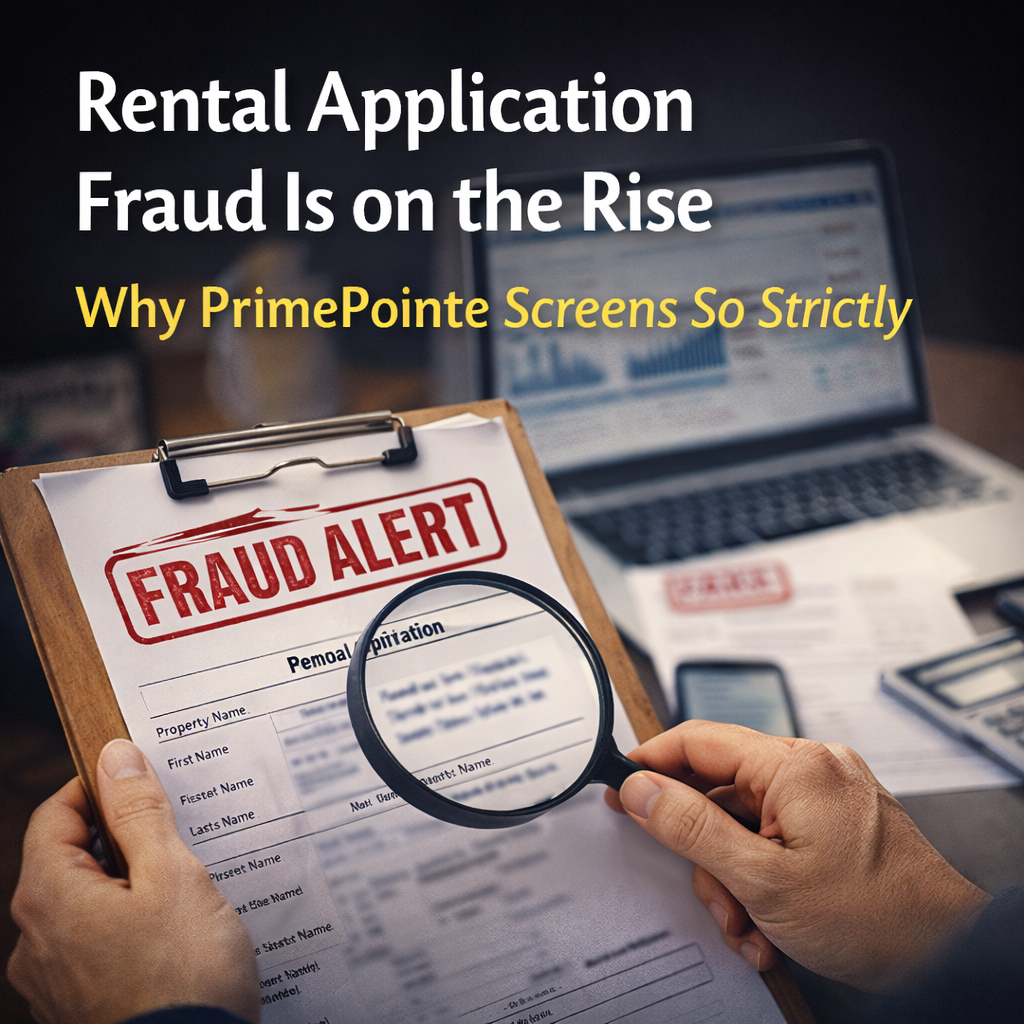
Rental application fraud is increasing in Houston Texas. Learn how PrimePointe PM’s strict screening protects landlords from costly fraud, evictions, and losses.
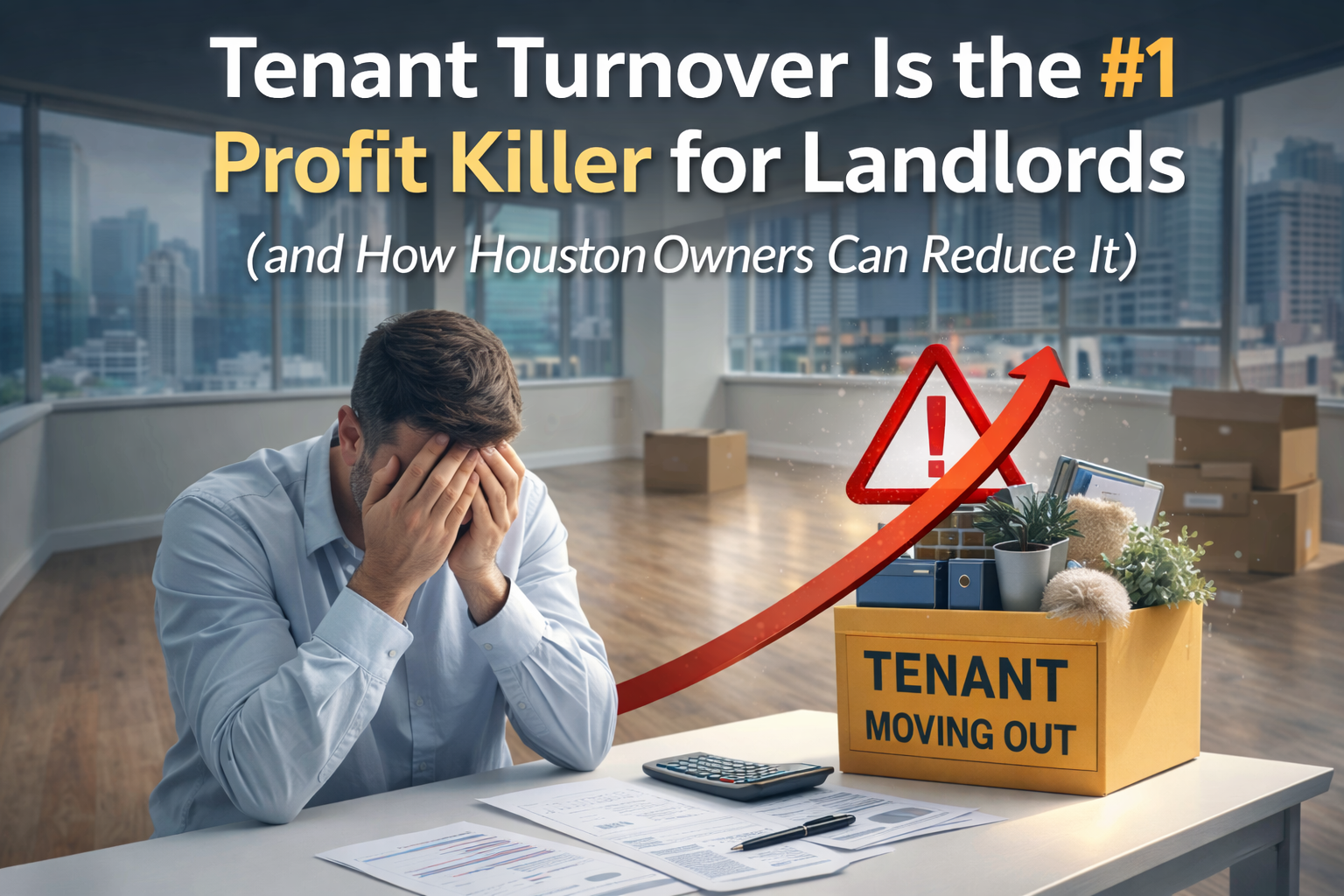
Turnover is the profit killer for Houston landlords. Learn how vacancies, make-ready, and poor retention hurt cash flow, and how tenant satisfaction protects income.

A Houston property management outlook for 2026 covering rent trends, rate movement, and market changes landlords need to plan for.

How Houston nuisance enforcement leads to costly fines and how PrimePointe Property Management protects your rental from violations, complaints, and neighbor issues.

Discover how allowing pets can increase ROI for Houston landlords. Explore data on vacancy reduction, tenant retention, and pet policies that protect your property.
Celebrate Thanksgiving with PrimePointe Property Management as we honor our landlords, residents, and commitment to protection-first service all year long.
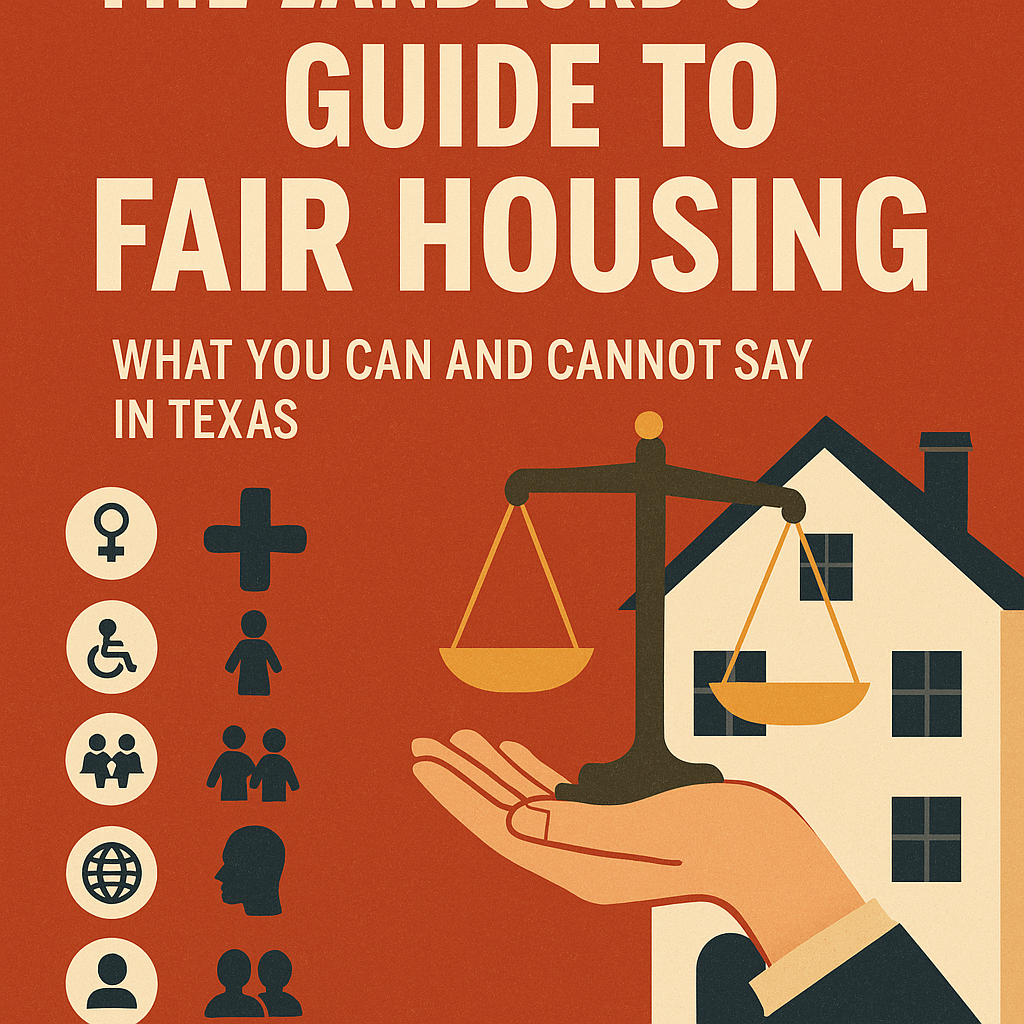
Learn what Texas landlords can and cannot say under Fair Housing laws. Protect your rental business from costly violations with clear guidance and real examples.
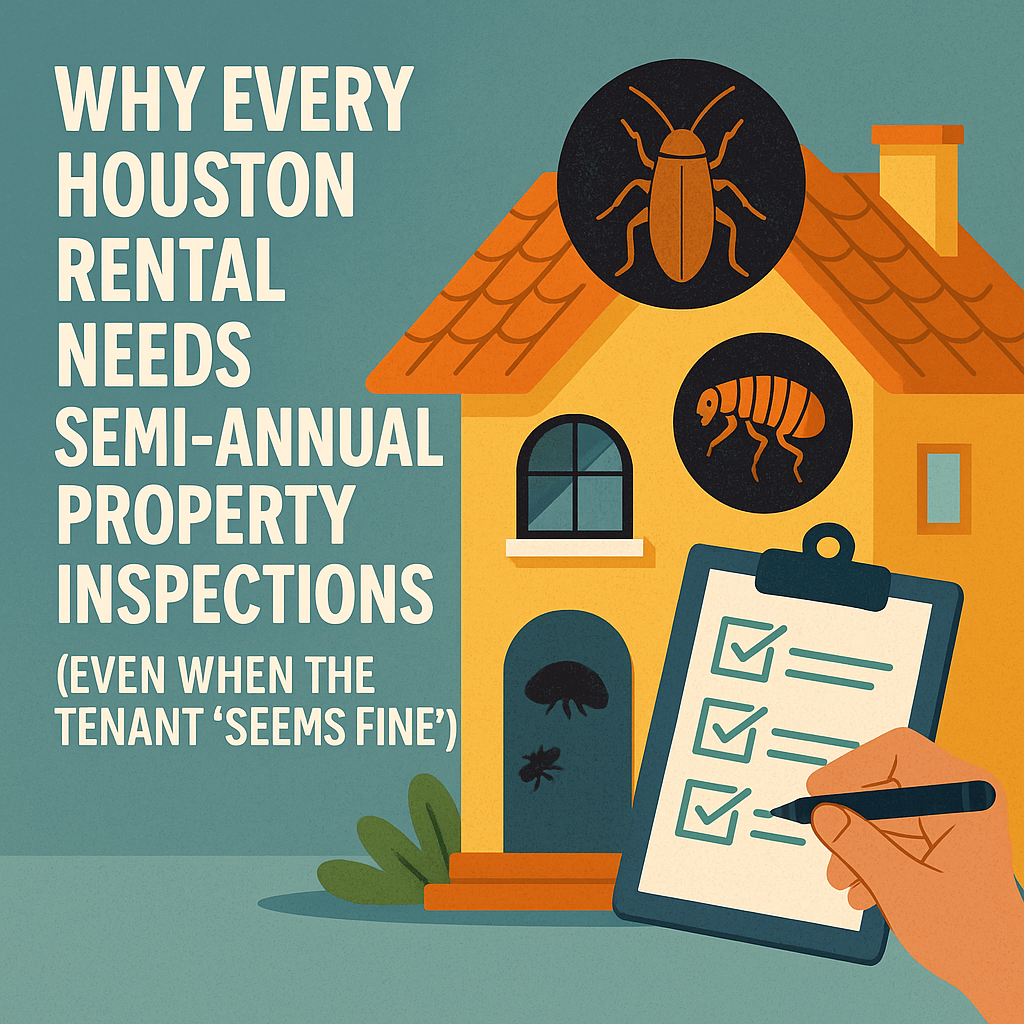
Learn why every Houston rental needs semi-annual property inspections. Avoid costly surprises like damage or pest infestations with proactive property checks.